Generative Engine Optimization vs. Search Engine Optimization: Understanding the New Frontier
Explore the differences between Generative Engine Optimization and Search Engine Optimization, and learn how to integrate both strategies for maximum visibility.
Generative Engine Optimization vs. Search Engine Optimization: Understanding the New Frontier
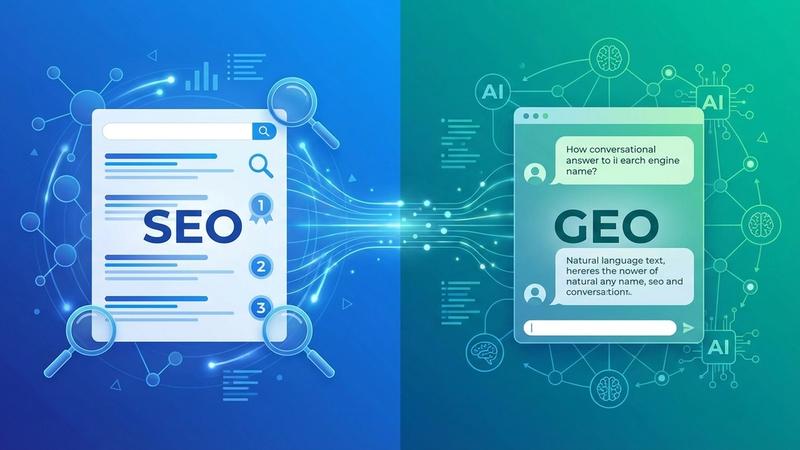
The rise of ChatGPT and AI search means marketers must expand their focus from classical SEO to Generative Engine Optimization. While SEO aims to improve rankings on search engine results pages, GEO is concerned with appearing in AI-generated answers and summaries. GEO isn't just a buzzword—it's a strategic lever that turns brand authority into a measurable asset.
As AI platforms become primary gateways for discovery, understanding how SEO and GEO intersect and diverge is no longer optional—it's essential for maintaining visibility in an evolving digital landscape.
The Evolution of Search Optimization
For over two decades, search engine optimization has been the cornerstone of digital marketing strategy. Businesses invested heavily in keyword research, link building, technical optimization, and content creation—all designed to improve their rankings on Google's search results pages.
But the rules are changing. AI-powered search platforms like ChatGPT, Google's Gemini, Microsoft Copilot, and Perplexity are fundamentally altering how people find information online. Instead of clicking through multiple search results to find answers, users are getting direct, synthesized responses from AI assistants.
How GEO Differs from SEO: Key Distinctions
Understanding the fundamental differences between GEO and SEO helps you develop strategies appropriate for each channel.
Purpose and End Goals
SEO drives traffic by optimizing keywords, backlinks, and technical structure to rank higher in search results. Success means appearing on page one of Google, ideally in the top three positions. The ultimate goal is getting users to click through to your website.
GEO strives to ensure your brand is mentioned or cited within AI responses on platforms like ChatGPT and Google's AI Overviews. It's about discoverability, not clicks. Success means being included in AI-generated answers, even if users never visit your website.
Content Style and Format
SEO content can be long and detailed, tailored for crawling bots that analyze page structure, keyword density, and semantic relationships.
GEO content prioritizes clear, conversational language and direct answers that AI can easily interpret. Practitioners recommend using bullet points and concise overviews.
Success Metrics and Measurement
SEO success is measured by organic traffic and click-through rate (CTR). You track keyword rankings, monitor fluctuations in search position, and measure conversions.
GEO metrics include mentions, citations, and how often your brand appears in AI summaries. This is trickier to measure because AI platforms don't provide dashboards showing your "AI visibility score."
Authority Signals and Ranking Factors
SEO relies heavily on domain authority and backlinks.
GEO operates differently. Studies show that branded search volume and domain rating have weak correlations with AI visibility—only 0.352 and 0.266 respectively. Surprisingly, YouTube mentions correlate most strongly with AI visibility at approximately 0.737.
Why GEO Matters Now: The Urgency Factor
The Zero-Click Search Problem
Up to 50-60% of searches with AI Overviews end without another click. This means ranking first on a search results page matters less when the AI already answers the question completely. Only 8% of AI summaries result in a click on a traditional result.
The Brand Visibility Crisis
The zero-click problem creates a brand visibility crisis. If users never click through to your website, they never experience your brand presentation, your value propositions, or your calls to action.
Strategic Integration: How to Combine SEO and GEO
Rather than viewing GEO as a replacement for SEO, successful brands are integrating both approaches into a unified visibility strategy.
1. Keep Technical SEO Strong
Structured data, EEAT (Experience, Expertise, Authoritativeness, Trustworthiness) principles, and schema markup help AI understand your content.
2. Craft Conversational Content
Write concise intros and answer questions the way users might ask ChatGPT. Front-load answers and use question-based headers.
3. Earn Authoritative Coverage
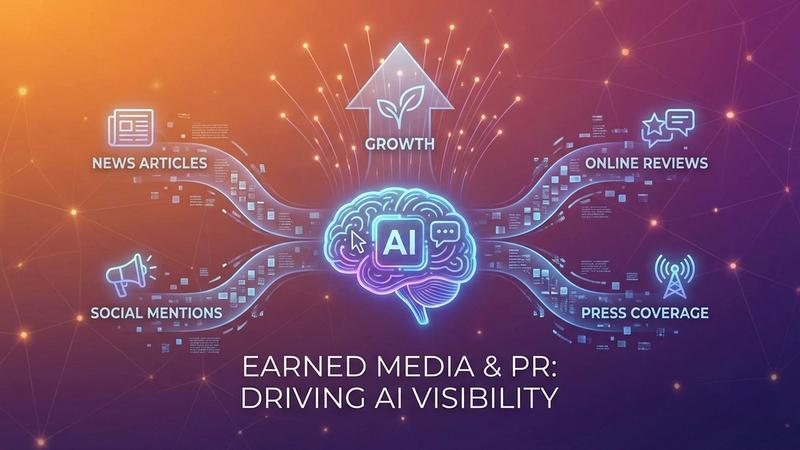
Since 90% of AI citations come from earned media, invest in PR and thought leadership.
4. Monitor AI Visibility Systematically
Use tools like Citr to see how ChatGPT mentions and cites your brand. Adjust content and outreach based on those insights.