Why ChatGPT Visibility Matters for Modern Brands
Learn why ChatGPT and other LLMs are reshaping brand discovery, why marketers can't ignore AI visibility, and what steps you can take today to stay visible.

Until recently, search engine optimization (SEO) was the primary way to help customers find your brand online. But generative AI platforms like ChatGPT, Gemini, Copilot, and Perplexity are fundamentally changing how people search and how brands are discovered.
The shift is happening faster than most marketers realize. Gartner predicts that traditional search engines could lose half their search volume by 2028 because people increasingly rely on AI assistants. Meanwhile, AI adoption is accelerating faster than previous tech revolutions. Ignoring this shift could mean losing visibility precisely when customers are ready to make purchasing decisions.
The Rise of AI-Powered Search
We're witnessing a paradigm shift in how consumers and business decision-makers find information. Traditional search engines have dominated for over two decades, but AI assistants are quickly becoming the preferred method for research and discovery. This isn't a distant future scenario—it's happening right now.
The numbers tell a compelling story. According to research from Bospar PR, nearly half of executives expect AI to replace Google for business research by 2030. That's not a gradual evolution; it's a rapid transformation that will reshape the entire digital marketing landscape within just a few years.
Even more striking, Entrepreneur reports that by 2028, $750 billion in revenue will flow through AI search. For context, that's more than the entire global digital advertising market was worth just a decade ago. Brands that fail to prepare could lose 20–50% of their traditional search traffic as users migrate to AI-powered alternatives.
How ChatGPT Changes Discovery
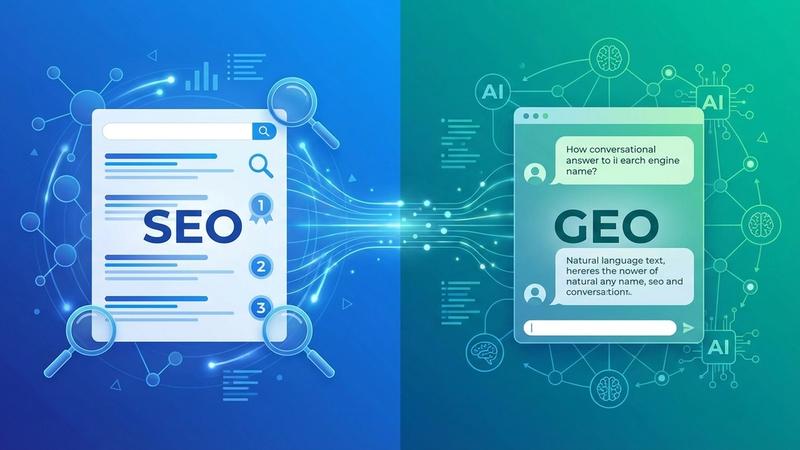
Unlike search engines that present a list of hyperlinks for users to evaluate, large language models (LLMs) provide direct, conversational answers and often make opinionated recommendations. This fundamental difference changes everything about how brands need to think about visibility.
When someone asks Google a question, they see ten blue links and can choose which sources to trust. When someone asks ChatGPT the same question, they receive a synthesized answer that may mention a handful of brands—or none at all. The AI essentially makes the choice for them, dramatically amplifying the importance of being included in that response.
A Forbes analysis notes that Generative Engine Optimization (GEO) influences which brands appear in AI Overviews and that 30–50% of searches now start with those AI summaries. These aren't supplementary features that users occasionally try; they're becoming the primary interface for information discovery.
Because AI responses are viewed as authoritative and objective, the reputational risk is significantly higher than with traditional search. Wrong or outdated information can tarnish your brand, and unlike a negative search result that users might scroll past, misinformation embedded in an AI response is presented as fact without alternative viewpoints readily available.
The Business Impact of AI Visibility
AI visibility isn't just a niche metric that forward-thinking marketers should monitor. It's rapidly becoming a make-or-break factor for business success. The U.S. Chamber of Commerce reports that 84% of decision makers buy based on the first suggestion AI provides.
Think about what that statistic means for your business. If ChatGPT recommends your competitor instead of your brand when a potential customer asks for a product recommendation, you've lost that sale—not because your offering is inferior, but because you weren't visible at the critical moment of decision-making.
This shift has profound implications across industries. In B2B sales, where research cycles are long and decision-makers consult multiple sources, AI assistants are becoming the starting point for vendor discovery. In e-commerce, consumers are asking AI for product recommendations before they ever visit a retailer's website. In professional services, potential clients are using AI to identify experts and evaluate service providers.
Understanding Generative Engine Optimization (GEO)
Generative Engine Optimization (GEO) represents the next evolution of digital marketing strategy. While SEO focused on ranking in search results and optimizing for click-through rates, GEO focuses on visibility inside AI answers themselves. It's not about getting users to your website; it's about ensuring your brand is mentioned, cited, and recommended by AI platforms.
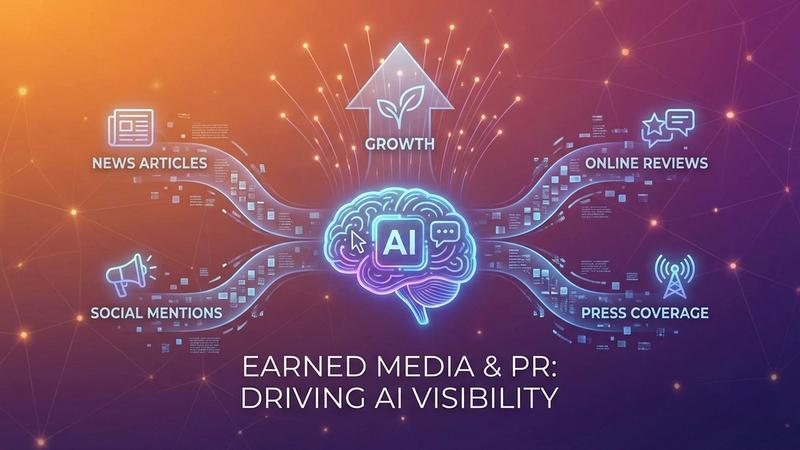
One crucial difference: Edelman notes that visibility in AI platforms can't be bought. Up to 90% of citations come from earned media rather than paid search. This means traditional paid advertising strategies won't translate directly to AI visibility. You can't simply bid higher to appear in ChatGPT's responses.
GEO requires three core strategies:
1. Knowing What AI Says About Your Brand
Understanding how ChatGPT describes your brand, competitors, and industry is the foundation of any GEO strategy. Without monitoring, you're operating blind to how AI platforms represent your business to potential customers.
Start by asking AI assistants questions your customers would ask. What happens when someone asks for recommendations in your category? Does your brand appear? Is the information accurate? What sources does the AI cite? How do you compare to competitors?
2. Developing a Content Framework
Building authoritative, concise, and structured content that appeals to AI models is essential. This means creating content that answers specific questions directly and establishes your expertise in ways that LLMs can easily reference and cite.
AI models favor certain content characteristics. They prefer clear, factual information over marketing hyperbole. They value structured data and well-organized content with clear headings and sections. They prioritize authoritative sources with strong editorial standards and expert credentials.
3. Executing and Optimizing
Tracking performance and iterating across topics is the final piece of a successful GEO strategy. GEO isn't a one-time project—it requires continuous monitoring and adjustment as AI models evolve and customer queries change.
Citr automates these steps for ChatGPT. By tracking real ChatGPT interactions, it reveals what prompts mention your brand, shows the sources ChatGPT cites, and alerts you to competitor mentions—all critical for acting on the opportunities described above.
The Unique Challenges of AI Visibility
Managing your presence in AI platforms presents challenges that didn't exist with traditional search engines:
- Lack of transparency: Unlike search engines that show you exactly where you rank, AI platforms operate as black boxes.
- Context dependency: AI responses vary based on how questions are phrased. Your brand might appear for one prompt but be absent for a slightly different query.
- Rapid evolution: AI models are updated frequently, and these updates can dramatically change responses.
- Quality control: When AI mentions your brand, it might include outdated information or present it in ways you wouldn't choose.
Best Practices for Improving AI Visibility
While GEO is still an emerging discipline, certain practices have proven effective:
- Establish topical authority: Focus on becoming the definitive source for specific topics rather than trying to cover everything broadly.
- Create citation-worthy content: Develop original research, expert analysis, and comprehensive guides that AI models can cite confidently.
- Optimize for featured snippets: Content that performs well in Google's featured snippets often performs well with AI platforms too.
- Engage with media: Since up to 90% of AI citations come from earned media, actively pursue press coverage and thought leadership.
- Answer questions directly: Create content that answers common questions clearly in the first paragraph.
The Cost of Waiting
The brands that establish strong AI visibility now will have a significant first-mover advantage. As AI assistants become the default research tool for business decisions, being absent from these conversations means missing out on qualified leads who are actively seeking solutions.
Consider the buyer's journey in this new paradigm. When a potential customer asks ChatGPT for product recommendations in your category, will your brand be mentioned? Will the AI cite accurate, favorable information about your offerings? Or will competitors dominate that conversation while you remain invisible?
The window for easy wins is closing. Early adopters who invest in GEO now face less competition and can establish authority before their industries become saturated with brands all fighting for AI visibility.
How Citr Helps You Stay Visible
Understanding the importance of AI visibility is one thing; actually monitoring and improving it is another. That's where specialized tools become essential.
Citr provides the infrastructure for effective ChatGPT monitoring and optimization. Instead of manually testing prompts and trying to remember what responses you saw weeks ago, Citr automatically tracks real ChatGPT interactions across relevant topics in your industry.
The platform reveals what prompts mention your brand, giving you insight into the specific contexts where you're visible—or conspicuously absent. It shows you the sources ChatGPT cites when discussing your industry, helping you understand which publications and content types carry the most weight with AI systems.
Perhaps most valuable, Citr alerts you to competitor mentions. You can see not just where you appear, but where competitors are being recommended instead. This competitive intelligence helps you identify gaps in your strategy and opportunities to differentiate your brand.
Key Takeaways
- AI assistants are rapidly becoming the first stop for product and service discovery; ignoring this shift risks invisibility.
- Brands must optimize not only for links but for mentions and citations in AI responses.
- Up to 90% of AI citations come from earned media, making authority-building essential.
- 84% of decision makers buy based on the first suggestion AI provides.
- By 2028, $750 billion in revenue will flow through AI search.
Ready to improve your ChatGPT visibility? Join the brands preparing for the future of search. Get early access to Citr and start monitoring your AI presence today.